Beautify Your Yard with Drainage Systems
Landscaping Fundamentals: Develop an Attractive and Practical Outdoor Space
Landscaping basics comprise a blend of design, functionality, and maintenance. A well-planned outdoor space elevates both visual appeal and practicality. Important factors involve assessing the landscape's size, purpose, and existing features. Selecting appropriate plants and integrating hardscaping elements are vital steps. Comprehending these fundamentals can lead to a more appealing environment. What strategies can one utilize to secure a thriving landscape that reflects personal style? explore the details The answer resides in the details.
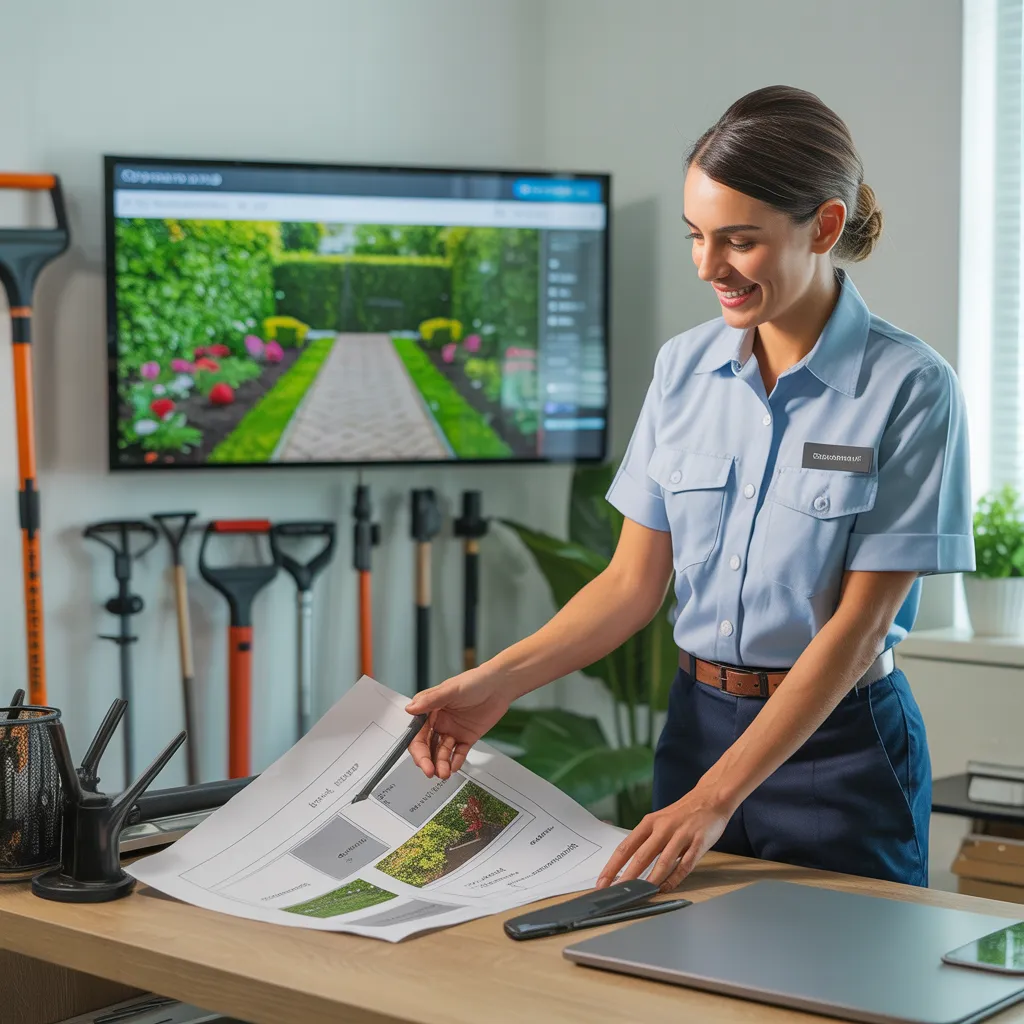
Key Considerations for Evaluating Your Landscape Needs
How should homeowners go about evaluating their outdoor landscape needs? To start, they should assess their outdoor space by analyzing its area, form, and present characteristics, such as vegetation, paths, and constructions. Identifying the principal function of the landscape is vital; whether it's for social gatherings, rest, or growing plants will greatly influence design options. Homeowners need to additionally copyrightine sunlight patterns, soil quality, and drainage conditions, as these variables affect plant choice and positioning.
Furthermore, it is essential to think about maintenance demands; a low-maintenance landscape may suit busy individuals, while those with more time may favor detailed designs. Budget considerations will also come into play, as different landscaping options can vary substantially in cost. In the end, gathering inspiration from diverse sources, such as magazines or online platforms, can help homeowners define their vision and needs, producing a more tailored and satisfying landscaping plan.
Selecting and Positioning Optimal Plants for Your Landscape
When selecting plants for a landscape, numerous elements such as climate, soil type, and maintenance needs must be taken into account. Moreover, optimal placement strategies can boost visual appeal and promote plant health. Understanding these aspects is critical for creating a healthy outdoor environment.
Plant Choice Standards
Choosing the right plants for a landscape requires thorough reflection of numerous criteria to create a cohesive and sustainable environment. Elements such as climate, soil type, and sunlight availability are crucial in determining plant suitability. Additionally, the intended use of the space—whether for aesthetics, privacy, or attracting wildlife—should influence plant decisions. It is also important to evaluate the growth habits and maintenance requirements of plants, ensuring they align with the homeowner's ability to care for them. Native species often provide hardiness and lower maintenance, while seasonal interest enhances visual appeal throughout the year. Ultimately, a thoughtful approach to plant selection fosters a thriving landscape that complements both the environment and the homeowner's vision.
Perfect Positioning Methods
Proper placement strategies are crucial for creating a visually appealing and functional landscape. The arrangement of plants should consider their height, spread, and growth patterns. Taller plants are best situated at the back of beds or against fences, while shorter varieties should be placed in front to maintain visibility and access to sunlight. Grouping plants with similar water and sunlight requirements can optimize maintenance and promote healthy growth. Moreover, incorporating seasonal color and varying textures improves visual interest throughout the year. Pathways should be constructed to allow easy access to different areas, confirming that the landscape remains practical. Eventually, thoughtful plant placement not only improves aesthetics but also contributes to the overall harmony and sustainability of the outdoor environment.
Creating Structure Through Landscaping and Hardscaping Elements
While landscape design typically highlights greenery and plant life, the integration of hardscaping elements serves a vital function in developing structure and functionality within outdoor spaces. Hardscaping denotes the non-plant components of landscaping, encompassing materials such as stone, brick, concrete, and wood. These elements offer a framework that establishes areas, creates visual interest, and supports the overall design.
Elements like patios, retaining walls, and pathways not only enhance usability but also enhance the aesthetic appeal of a landscape. For instance, a carefully located stone wall can offer both privacy and support for plant beds, while a patio creates a dedicated space for outdoor gatherings. Moreover, incorporating hardscaping elements enables effective drainage and erosion control, making certain the landscape remains intact over time. Finally, the thoughtful combination of hardscaping and greenery creates a harmonious environment that balances beauty with practicality.
Designing Walkways and Meeting Areas: Building Flow
Establishing flowing changes within a landscape often relies on the thoughtful design of pathways and gathering spaces. Pathways act as the veins of a garden, directing visitors through various sections while increasing accessibility. They can be created from a selection of materials, such as stone, gravel, or wood, each offering a unique aesthetic and functional quality.
Community zones, strategically positioned along these pathways, encourage social interaction and relaxation. Features like benches, fire pits, or shaded areas can turn a mere passage into a destination, enticing individuals to rest and experience their surroundings.
An effectively designed pathway should link key areas, such as entry points, gardens, and recreational spaces, while considering the natural flow of foot traffic. Incorporating curves and varying widths can generate a more organic feel, permitting the landscape to guide movement naturally. Ultimately, the harmonious integration of pathways and gathering spaces cultivates an inviting outdoor environment.
Go Green: Sustainable Landscaping Techniques for Your Garden
The planning of walkways and communal areas can be enhanced through sustainable landscaping methods that improve both visual appeal and environmental responsibility. Incorporating native vegetation is essential to eco-conscious landscape design, as these species require less water and maintenance while supporting local wildlife. Using porous paving materials in pathways permits water to seep through, reducing runoff and promoting groundwater recharge.
Rain gardens can also be strategically placed to capture runoff from hard surfaces, removing pollutants and providing habitat for beneficial insects. Composting organic matter enhances soil health, decreasing the need for chemical fertilizers. Moreover, using organic mulch helps retaining moisture, suppress weeds, and regulating soil temperature.
Adopting these practices not only develops a stunning outdoor space but also encourages an eco-friendly approach to landscaping, encouraging biodiversity and protecting resources. By focusing on sustainability, homeowners can cultivate a yard that flourishes naturally while minimizing their ecological footprint.
Important Care Suggestions for a Thriving Landscape
To preserve a lively landscape, creating a systematic watering schedule is essential. Furthermore, using proper pruning and trimming techniques can stimulate healthy growth and improve the total appearance of plants. These important maintenance practices deliver a thriving outdoor space through the seasons.
Consistent Watering Routine
Why is maintaining a steady watering schedule crucial for landscape vitality? By guaranteeing steady water supply to plants, a structured watering system boosts their overall health and vigor. This practice promotes deeper root growth, allowing plants to withstand drought conditions more effectively. Furthermore, it stops water oversaturation, which could result in root deterioration and various complications. Modifying the schedule according to seasonal shifts and regional weather patterns is essential for optimal outcomes. Early daylight or late day hours are best for watering, decreasing water loss and optimizing soil retention. Additionally, adopting a drip irrigation mechanism can support keeping even wetness levels, confirming that all vegetation receives required moisture. Conclusively, a steady watering regimen is vital for a blooming, beautiful landscape setting.
Tree Trimming and Pruning Approaches
Despite being frequently undervalued, these pruning and trimming techniques are critical for sustaining a healthy and visually appealing landscape. Effective pruning fosters expansion, boosts air movement, and removes dead or diseased branches. It is important to use the right tools, such as keen-edged pruners and saws, to provide clean cuts that facilitate healing. Trimming, conversely, aids in forming plants and regulating their size, helping them blend perfectly with the entire design scheme. Timing is also vital; most plants benefit from early spring or late winter pruning. Routine care enhances beauty while reinforcing plant health, enabling them to flourish and ward off pests. Applying these methods is essential for effective landscape management.

Improving Your Landscape: Accessories and Decor That Perfect Your Space
While homeowners aim to craft attractive outdoor living spaces, well-chosen accessories and decorative elements can substantially elevate the overall landscape. Thoughtfully selected items, for instance garden sculptures, decorative planters, and outdoor furniture, can add personality and charm. Lighting serves as another key factor; festoon lighting and lanterns illuminate pathways while also and establish a warm atmosphere during evening gatherings.
Furthermore, water features including fountains or birdbaths can function as focal points, attracting wildlife while providing soothing sounds. Integrating textiles, including colorful cushions or outdoor rugs, can make seating areas increasingly comfortable and visually pleasing.
Organic features, like rock formations or timber elements, can complement the adjacent plant life, fusing human-crafted additions with nature. Through strategic placement of these accessories and design features, homeowners can establish a coordinated and attractive outdoor setting that demonstrates their distinctive preferences while increasing utility.
Frequently Asked Questions
What's the Ideal Time of Year for Landscaping Projects?
The ideal time for landscaping projects is typically the spring and early fall seasons. These periods offer excellent weather conditions, permitting plants to form roots before winter, facilitating successful growth and a flourishing outdoor environment in the subsequent months.
How Can I Select the Best Landscaping Contractor?
To select the right landscaping contractor, you should copyrightine credentials, seek references, review portfolios, evaluate quotes, and evaluate communication skills, ensuring the contractor fits the project's vision, timeline, and budget requirements.
What Are Typical Errors to Stay Away from in Landscaping?
Common mistakes in landscaping include overplanting, failing to address soil quality, ignoring seasonal changes, opting for inappropriate plants for the climate, and underestimating maintenance needs, all of which can hinder the desired outdoor visual appeal and function.
How Do I Create an Effective Budget for Landscaping Expenses?
For effective budgeting of landscaping expenses, you need to investigate expenses, prioritize projects, formulate a complete plan, allocate a contingency fund for unexpected expenses, and regularly review and adjust the budget as needed throughout the process.
What Landscaping Trends Ought I to Consider for My Property?
Contemporary landscaping trends include green practices, native plant options, outdoor living environments, vertical gardens, and smart irrigation systems. These features enhance aesthetics while encouraging environmental responsibility and functionality, appealing to homeowners searching for modern solutions.